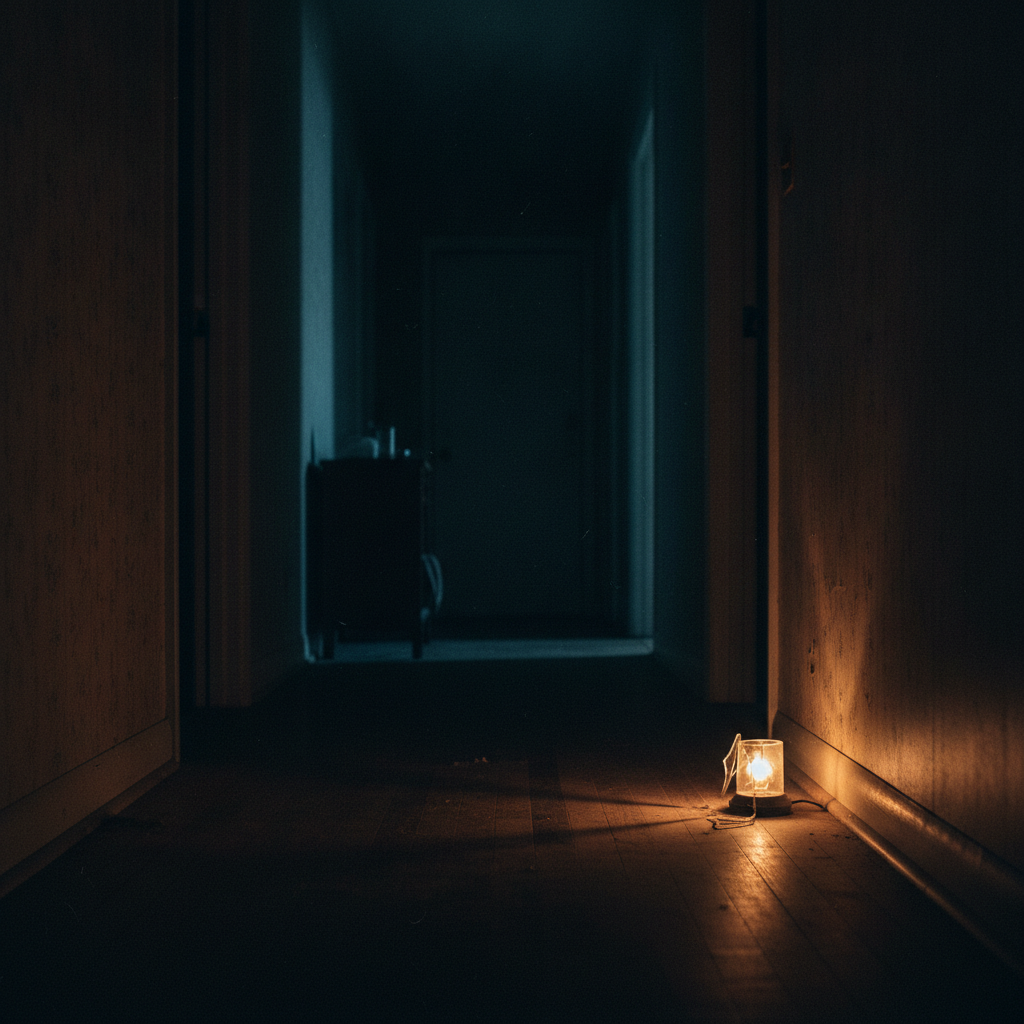
Barry Napier’s 13 Broken Nightlights is a collection of short horror stories that understands the genre’s most fundamental rule: the best horror happens in the space between what you see and what you think you saw. These are stories built on shadows, half-glimpsed shapes and the particular dread of lying awake at night knowing that something in the room is not right.
The Premise
As a collection, the book is unified by tone rather than theme. The stories vary in setting and subject matter, but they share a preoccupation with the domestic uncanny: the home that stops feeling safe, the familiar object that takes on a sinister quality, the routine that becomes a trap. The number thirteen is both the count of stories and a framing device, with each tale connected to a broken nightlight, a small domestic object that should provide comfort but instead marks a threshold into something wrong.
The collection does not aim for grand cosmic horror. Its horrors are intimate and close, which makes them more effective. The things that frighten us in our own homes at night are not vast or abstract; they are specific and personal, and Napier understands this instinctively.
Writing Style
Napier writes in lean, efficient prose. There is no wasted language, and the stories are better for it. The economy of the prose mirrors the compression of the horror: each story delivers its effect quickly and then stops, which is the right approach for short horror. Lingering would dilute the impact.
The voice varies across the collection, which keeps the stories from blurring together. Some are written in first person with a confessional quality, others in a more detached third person that creates a different kind of unease. Napier has a good ear for the rhythms of anxious thought, and the internal monologues in the strongest stories capture the spiral of irrational fear with uncomfortable accuracy.
Not every story hits the same mark. A few of the middle entries rely on twists that experienced horror readers will see coming, and one or two stories end just as they are building momentum. But the hit rate is high, and the best stories stay with you after the book is closed.
Pacing and Structure
The collection is well-sequenced. Opening with one of the strongest stories sets the tone, and the pacing across the thirteen entries varies enough to prevent fatigue. The shorter stories (some under ten pages) work best, delivering their effects with the speed of a slamming door. The longer entries are less consistent, with a couple that would benefit from being trimmed.
As a whole, the collection builds a cumulative atmosphere. Reading the stories in order creates a slow escalation of dread that the individual pieces do not achieve on their own, which suggests Napier thought carefully about the ordering.
Who Would Enjoy It
Hor fans who like their scares short, sharp and domestic will find plenty to enjoy. Readers who appreciate the work of Thomas Ligotti, M R James or Shirley Jackson will recognise the approach, though Napier’s voice is his own. It is a good collection for reading late at night, which is both its strength and its warning.
It is less suitable for readers who want novel-length horror, graphic violence or complex mythology. These are mood pieces, not world-building exercises.
Rating
4 out of 5 stars
A strong collection of domestic horror stories written with economy and a genuine understanding of what frightens people in their own homes. Not every story lands, but the best ones are genuinely unsettling, and the cumulative effect is powerful. Recommended for fans of short horror.
Leave a Reply