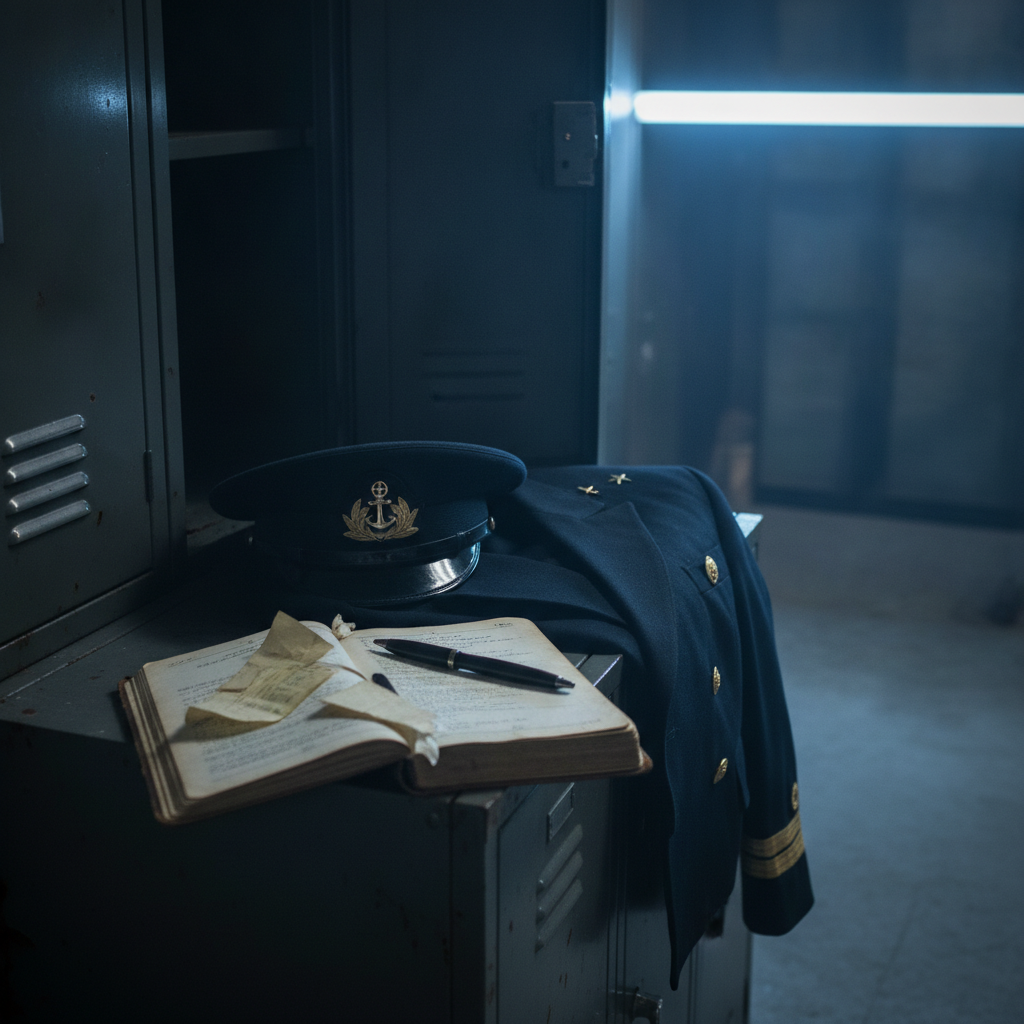
Marva Dasef’s Ultimate Duty is a military science fiction novel that asks a question as old as warfare itself: what happens when a soldier begins to doubt the cause they serve? The book sits firmly in the tradition of military SF, with familiar elements of duty, honour and the chain of command, but it distinguishes itself through its focus on the internal conflict rather than the external action.
The Premise
The protagonist is a soldier in a future society where military service is the defining duty of citizenship. The plot follows a mission that gradually reveals the gap between the official narrative and the reality on the ground, forcing the protagonist to choose between obedience and conscience. It is a well-worn structure in military SF, but Dasef handles it with enough specificity to make it feel personal rather than generic.
The world-building is functional rather than immersive. The society is sketched in enough detail to make the stakes clear, but the focus is on the soldier’s experience rather than the political landscape. This is the right choice for a book driven by internal conflict, though readers who want detailed world-building may find the backdrop thin.
Writing Style
Dasef writes in straightforward, workmanlike prose. The sentences are clear, the dialogue is efficient and the exposition is delivered without fuss. There is no attempt at literary flourish, which suits the military tone, but it also means the book lacks the stylistic distinction that elevates the best military SF above the average.
The action scenes are handled competently, with a good sense of tactics and terrain. Dasef clearly understands the mechanics of military engagement, and the battle sequences have a clarity that some readers will appreciate. The quieter scenes, where the protagonist wrestles with doubt, are less assured. The internal monologue can be repetitive, and the book occasionally tells the reader what the character is feeling rather than showing it through action or detail.
Pacing and Structure
The book is well-paced for its genre. The mission structure provides a natural momentum, and the escalating revelations about the true nature of the conflict maintain interest. The middle section is the strongest, where the protagonist’s doubts begin to crystallise and the mission starts to go wrong. The climax is dramatic but slightly formulaic, resolving in a way that fans of the genre will find familiar.
The structure is conventional, which is both a strength and a limitation. Dasef knows what kind of book she is writing and executes it with confidence, but there are few surprises for readers steeped in the genre. The moral dilemma at the centre is resolved a little too cleanly, given the messiness of the questions it raises.
Who Would Enjoy It
Fans of military science fiction who are more interested in character than technology will find it a worthwhile read. Readers who enjoy the work of Elizabeth Moon or Tanya Huff will recognise the territory, and Dasef holds her own in that company. It is a good choice for anyone who likes their SF with a moral dimension and a protagonist who thinks as well as fights.
It is less suitable for readers who want hard SF, complex world-building or a protagonist who is more action hero than moral philosopher. The book’s ambitions are modest, and it delivers on them without reaching beyond its grasp.
Rating
3 out of 5 stars
A competent military SF novel with a solid moral dilemma at its core. The writing is workmanlike, the world-building is thin and the resolution is familiar, but the central conflict is genuine and the protagonist’s journey is well-tracked. A decent read for genre fans.
Leave a Reply